Choosing the right sunflower seeds can attract a wider variety of birds and provide a high-energy, nutritious option for backyard feeders. The following picks focus on popular sunflower seed formats, from black oil to dehulled hearts, to suit different bird species and feeding setups. This guide highlights what makes each option stand out, including shell softness, oil content, and mess factor. Use the brief buying guide at the end to compare weight, processing, and suitability for your local birds.
| Product | Brand | Format | Highlights |
|---|---|---|---|
| Wagner’s 52023 Black Oil Sunflower Seed Wild Bird Food | Wagner’s | 5-Pound Bag | Wide attractant, thin shells, high-energy |
| Kaytee Striped Sunflower Seeds | Kaytee | 5 Pounds | High oil content, appeals to larger birds, low debris |
| Audubon Park Sunflower Hearts & Chips | Audubon Park | 5-Pound Bag | Shell-free, 100% consumable |
| Morning Song Sunflower Hearts & Chips | Morning Song | 5.5-Pound Bag | No mess, shell-free |
| Armstrong Wild Bird Food Black Oil Sunflower Seed | Armstrong Bird Food | 35.3 Pounds | 100% genuine seeds, high fat and protein |
Wagner’s 52023 Black Oil Sunflower Seed Wild Bird Food

Wagner’s 52023 is a classic black oil sunflower seed blend designed to attract a wide variety of backyard birds. Its thin shells help small-beaked species access the kernels easily, while the high energy content supports daily activity and migration needs. The mix emphasizes versatility, appealing to many common backyard visitors and delivering reliable feed during different seasons.
Kaytee Striped Sunflower Seeds For Blue Jays
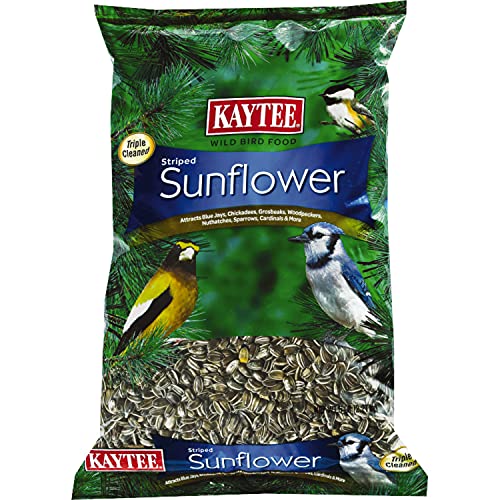
Kaytee Striped Sunflower Seeds are cleaned to minimize debris and provide premium, top-quality seeds with less waste. The rich oil content yields a high-energy food source favored by larger birds such as blue jays and woodpeckers, while cleaned processing reduces the mess at feeders. This option tends to attract robust, visually striking visitors without excessive cleanup.
Old Potters Wildlife Black Oil Sunflower Seeds

Old Potters offers Non-GMO black oil sunflower seeds grown in the USA on small farms. The seeds are naturally processed with traces of field debris indicating minimal alteration, and they provide a strong protein source for a diverse bird population. This option emphasizes sustainability and natural seed quality for thoughtful feeders.
Armstrong Wild Bird Food Black Oil Sunflower Seed

Armstrong Bird Food provides 100% genuine black oil sunflower seeds in a large format. The high fat and protein content deliver a lasting energy source, and the seeds’ thin shells remain appealing to a wide range of bird species. This option is well-suited for feeders with heavy bird traffic and extended seasons of feeding.
Wagner’s 76027 Black Oil Sunflower Seed

This Wagner’s 25-pound bag continues the brand’s reputation for broad appeal and reliable performance. Its thin-shelled seeds are easy for small-beaked birds to crack, and the high energy content supports a diverse mix of species throughout the year. The larger bag size makes it practical for households that feed many birds or operate multiple feeders.
Buying Guide: Key Purchase Considerations
- Seed type: Black oil sunflower seeds offer high fat and thin shells, appealing to most backyard birds, while sunflower hearts reduce mess and shell waste for shell-free feeding.
- Shell content and mess: Shell-free or dehulled seeds minimize cleanup but may be more expensive per pound. Consider your feeder location and preferred cleanliness level.
- Bird species: If you routinely attract blue jays, cardinals, and woodpeckers, select blends with higher energy content and larger seed kernels; smaller birds may appreciate easier access to thinner shells.
- Processing and origin: Non-GMO and USA-grown options emphasize sustainability and minimal processing, which some feeder owners prefer for ecological reasons.
- Format and quantity: Large bags are cost-effective for heavy feeders, while smaller packs suit casual setups. Ensure your feeder capacity aligns with bag size to reduce waste.
- Storage: Keep seeds in a cool, dry place in airtight containers to preserve freshness and prevent mold or pest problems.
Across these options, the common goals are high energy content, ease of access for a broad spectrum of birds, and manageable cleanup. Backyard feeders benefit from a mix of formats—including black oil seeds and shell-free hearts—to maximize bird variety while controlling mess. When selecting, consider your local species, feeder setup, and how much effort you’re willing to invest in maintenance.