Milk snakes require a substrate that supports natural burrowing, maintains humidity, stays relatively dust-free, and is easy to clean. The following selections are popular choices among keepers for creating comfortable, bioactive or easy‑to‑maintain environments. The list focuses on substrates that help with shed, moisture control, odor absorption, and overall enclosure hygiene.
Summary of selected products
| Product | Brand | Key Benefits | Capacity / Size |
|---|---|---|---|
| The Bio Dude Terra Firma Bioactive Reptile Substrate | BIODUDE | Supports bioactive terrariums, aeration, drainage; facilitates burrows and shedding | 6 quarts |
| ReptiChip Reptile Substrate Coconut Chip Bedding 72 Quart | Reptichip Premium Coconut Substrate | High humidity retention, odor absorption, ready-to-use expanded brick | 72 quarts |
| Zilla Reptile Terrarium Bedding Substrate | Zilla | Ultra-absorbent, heat-treated aspen chips; natural and hypoallergenic | 4 quarts |
| BNOSDM Reptile Soil Substrate | BNOSDM | Soil-like substrate supports humidity and digging; improves long-term habitat | Various packaging |
| ReptiChip Reptile Bedding Loose Coconut Chip | Reptichip Premium Coconut Substrate | Dust-free, ready-to-use; expands with water for humidity | 12 quarts |
Best Substrate For Bioactive Terrariums And Burrowing Milk Snakes
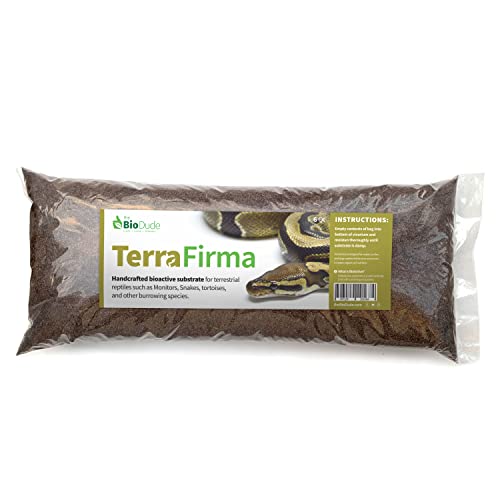
The Bio Dude Terra Firma Bioactive Reptile Substrate
The Bio Dude Terra Firma substrate is designed for bioactive setups in terrariums and vivariums. It emphasizes proper aeration and drainage to prevent stagnation, a key factor for moisture management in enclosures housing milk snakes. The substrate is described as supporting a wide range of plants, which can help diversify the terrarium’s microhabitat and microfauna. It also claims to hold tunnels and burrows, aiding in shedding, respiration, and hydration. This option is suitable for keepers pursuing a more naturalistic, plant-inclusive habitat while maintaining substrate stability and drainage.
Natural Coconut Fiber Substrate For Burrowing Reptiles

Riare 2 Pack Natural Coconut Fiber Substrate
Riare Coconut Fiber Substrate is composed of natural coconut fibre, offering odor absorption and humidity retention. It is designed to support natural digging and burrowing behaviors in small reptiles, including milk snakes. The substrate is described as odor- and waste-absorbing, helping to maintain a cleaner enclosure. It emphasizes biodegradability and compostability, encouraging eco-friendly disposal. This option is well-suited for keepers who value a natural material that can help manage humidity while promoting exploratory behaviors.
Coconut Chip Bedding For Humidity and Burrowing

ReptiChip Reptile Substrate Coconut Chip Bedding
This coconut chip bedding is a compressed brick that expands with water to form a high-humidity, soft, natural substrate. It’s ideal for milk snakes that require a humid microclimate for shedding. It provides odor control through absorption of waste and is suitable for sellers and breeders due to its expanded volume. The substrate is marketed as easy to prepare, enabling a quick setup for a tropical or semi-tropical enclosure, with the added benefit of being a low-dust option.
Aspen-Based, Absorbent Bedding For Reptiles

Zilla Reptile Terrarium Bedding Substrate
Zilla’s product uses heat-treated aspen chips, noted for superior absorbency and a dry habitat. It is described as hypo-allergenic and natural, devoid of harmful aromatic oils. Its design targets professional-level care and may help maintain a stable enclosure environment for milk snakes by reducing humidity spikes and minimizing dust, which can support consistent shedding cycles and clean enclosures.
Natural Reptile Soil Substrate For Humidity And Burrowing

BNOSDM Reptile Soil Substrate Fluffy Small-Strand
BNOSDM offers a soil-like substrate designed to imitate natural environments. It emphasizes humidity retention and the ability to support digging behaviors, creating a cleaner and healthier living space for reptiles. It can be used for various enclosures and is positioned as a durable long-term substrate that helps regulate moisture, which is essential for milk snakes’ skin health and comfortable shedding.
Dust-Free Coconut Chip Bedding For Easy Maintenance

ReptiChip Reptile Bedding Loose Coconut Chip
This loose coconut chip substrate is a dust-free, ready-to-use bedding option that expands with water to increase humidity. The product emphasizes being an eco-friendly choice, using high-quality coconut husk materials. It is suited for a variety of reptiles, including milk snakes, seeking a natural substrate that reduces airborne particles and supports natural burrowing with manageable maintenance.
Natural Coconut Husk Chips For Reptile Burrows

Riare Coconut Chip Substrate
Riare coconut chip substrate provides a chunky, natural texture suitable for burrowing behavior. It’s described as maintaining humidity and being easy to expand with water. This option is designed to stay relatively dust-free and comfortable for snakes that benefit from a fibrous, plant-based substrate that still allows for burrows and hides within the habitat.
Buying Guide
- Substrate type: For milk snakes, look for substrates that support burrowing, manage humidity, and minimize dust. Coconut fiber, coconut chips, and soil-like blends are common choices.
- Humidity control: A substrate with good moisture retention helps with shedding and comfort. Avoid overly dry mixes unless you can reliably maintain humidity with misting or a humid hide.
- Dust and allergen levels: Dust-free or low-dust substrates reduce respiratory irritation and keep enclosures cleaner for longer periods.
- Maintenance: Consider how often you’ll need to spot-clean, wash, or replace the substrate. Some bricks expand after water addition, saving space and storage.
- Safety: Avoid substrates with added fragrances or aromatics that could irritate reptiles. Hypoallergenic options are preferable for sensitive snakes.
- Bioactivity: If pursuing a bioactive enclosure, choose substrates designed for aeration, drainage, and beneficial microfauna. These can provide longer-term aesthetic and environmental benefits.
- Bulk versus small batches: For larger enclosures or multiple tanks, high-volume substrates like 72-quart bricks may offer cost savings and easier handling.
- Hydration approach: If using coconut chips or bricks, plan for proper expansion and hydration to achieve the recommended depth for digging and burrowing.
- Environmental impact: Biodegradable and compostable options are preferable if you’re seeking eco-friendly disposal methods after use.
- Versatility: Some substrates work better across species; prioritize those that tolerate the humidity and temperature ranges typical of milk snakes’ enclosures.