Creating a thriving isopod habitat starts with a proper substrate. The right mix supports burrowing, moisture regulation, and nutrient cycling that keeps isopods, millipedes, and bioactive terraria balanced. Below are five top-performing substrates, each with distinct features to match your inhabitants and maintenance style. This guide highlights composition, benefits, and practical notes to help you choose the best fit for your vivarium.
| Product | Brand |
|---|---|
| BugzyBug’s Isopod Bioactive Substrate Mix | Bugzy Bugs |
| Josh’s Frogs Isopod Substrate (4 qt) | Josh’s Frogs |
| Finn’s Frog Farm Deluxe Isopod Substrate | Finn’s Frog Farm |
| Isocare Bioactive Terrarium Substrate Mix (4 qt) | Bugzy Bugs |
| The Bio Dude Terra Isopoda Substrate | BIODUDE |
The following selections are designed to cover a range of needs—from sterile, mite-free bases for cultured isopods to nutrient-rich, textured mixes that encourage natural behaviors. Each product page includes a quick overview of intent, texture, and moisture handling. Read on to compare composition and how each option aligns with your terrarium goals.
BugzyBug’s Isopod Bioactive Substrate Mix

This nutrient-rich substrate is designed as a foundational layer for natural terrariums and bioactive vivariums. It balances moisture and provides essential nutrients to support healthy isopod activity and robust habitats. The mix includes peat moss, decayed hardwood, hardwood sawdust, bat guano, earthworm castings, sphagnum moss, and other organic components. The combination promotes a thriving micro-ecosystem while maintaining a stable environment for burrowing and nesting behaviors that are central to isopod welfare.
Texture and maintenance considerations favor users seeking a ready-to-use base that supports microbiota development without frequent topping off. The substrate aims to sustain moisture without becoming waterlogged, reducing the risk of mold while still enabling crucial hydration. This makes it suitable for active isopod colonies and bioactive setups where a balanced, nutrient-dense substrate is part of long-term care. When introducing this mix, monitor humidity and replenish as your enclosure plant life and activity levels evolve.
Josh’s Frogs Isopod Substrate (4 qt)

This substrate is designed as a sterile option for culturing isopods with a focus on minimizing mites and hitchhikers common to garden center soils. It is engineered to retain moisture, helping isopods stay hydrated between molts and feeding cycles. The texture supports burrowing and natural exploration through loose, airy layers, with hardwood pieces included to provide additional grazing opportunities for isopods and related invertebrates. The aim is a dependable, easy-to-use base that mirrors the ecological conditions isopods encounter in their natural environments.
From a maintenance perspective, the sterile base helps reduce contamination risk during setup and transfer of cultures. While the moisture-retaining quality aids hydration, users should still monitor humidity, particularly in newborn or highly active colonies. This substrate suits beginners seeking a straightforward, reliable foundation as well as experienced hobbyists who value a clean starting point for bioactive or mixed-species vivariums.
Finn’s Frog Farm Deluxe Isopod Substrate

Finn’s Frog Farm emphasizes habitat realism by mimicking a forest floor, a key factor for isopods and millipedes. This deluxe substrate is formulated to balance moisture, texture, and nutrients to support thriving isopods in naturalistic setups. The blend targets easy maintenance while maintaining environmental complexity, letting keepers recreate leaf litter, decaying wood, and microhabitats that encourage normal behaviors such as burrowing and scavenging. The product notes highlight ease of use, enabling routine upkeep with less time spent on substrate management while maintaining habitat health.
Special attention is given to ease of maintenance, making it attractive for hobbyists who want reliable performance without heavy, daily interventions. Curators should monitor humidity and surface moisture to maintain appropriate humidity levels for isopods, especially in dry or arid room conditions. The calcium and mineral balance are designed to support long-term vitality, so isopods can molt and grow without substrate-related stress.
Josh’s Frogs Milli Mix Calcium Enriched
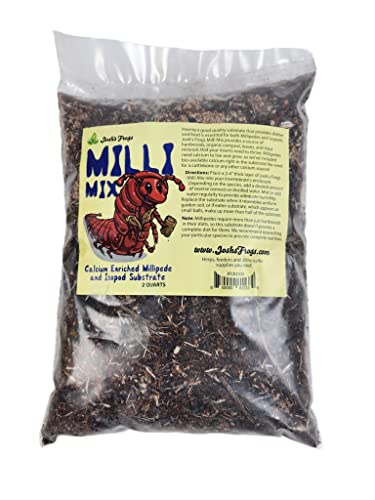
This complete substrate is designed for invertebrates like millipedes and isopods, incorporating hardwoods, organic compost, leaves, and trace minerals to mirror natural environments. The mix includes calcium enrichment, which is important for molts and exoskeleton integrity. Simple to use—moisten with distilled water and mist regularly to maintain humidity—this option suits hobbyists who want a ready-to-use package that supports healthy growth and vitality of their isopods. The calcium component helps reduce molting stress and contributes to durable exoskeleton formation as colonies expand.
In practice, this substrate supports a layered micro-ecosystem by providing a varied texture with leaf litter and coarse organic matter. It’s well-suited for setups where isopods share space with other terrestrial invertebrates. Keepers should ensure the moisture level remains within isopod comfort zones, adjusting misting frequency as seasons and enclosure heat vary. This enhancement makes it a strong choice for producers focused on robust, diverse isopod cultures.
Isocare Bioactive Terrarium Substrate Mix

This four-quart bioactive substrate is formulated to support a natural, nutrient-rich environment for isopods, reptiles, springtails, amphibians, and other invertebrates. Carefully selected ingredients promote a thriving habitat by balancing moisture retention with aeration and providing a stable base for beneficial microbes. An emphasis on nutrient density helps sustain a healthy cleanup crew, contributing to a self-regulating ecosystem within the terrarium.
Moisture management is a central feature here, designed to prevent both desiccation and waterlogging. The substrate aims to reduce maintenance while supporting ongoing activity and microfauna development. For keepers pursuing bioactive setups, Isocare offers a blend that can be paired with plant life and microfauna to create a balanced, resilient ecosystem with consistent humidity control and nutrient cycles that support long-term enclosure health.
The Bio Dude Terra Isopoda Substrate

BioDude’s Terra Isopoda substrate is designed for sustained isopod, millipede, and springtail culture with a focus on high calcium and trace elements. The blend is fortified to promote clean-up crew efficiency and robust soil ecology, leveraging hardwoods to improve aeration and overall soil nutrition. The product notes stress proven performance across species, including established success with isopods, springtails, and millipedes in cultured and naturalistic settings.
Calcium enrichment supports exoskeleton development during molts, while the hardwood content fosters microbial habitats essential to bioactive systems. This substrate suits keepers who want a resilient, mineral-rich base that supports long-term population health and environmental robustness in a range of terrarium styles, from science-focused displays to hands-off bioactive tanks.
Buying Guide: Key Purchase Considerations
- Intended habitat: Choose a substrate that matches your enclosure goals—sterile bases for cultured isopods or nutrient-rich mixes for bioactive, plant-inclusive setups.
- Moisture management: Consider how your climate and enclosure temperature affect humidity. Look for substrates described as moisture-retentive but not waterlogged.
- Texture and structure: A looser, airy texture encourages burrowing, while a denser mix supports stable humidity and microbial activity. Hardwood pieces and leaf litter add grazing options and microhabitat variety.
- Calcium and minerals: Substrates enriched with calcium help isopods molt successfully and support exoskeleton integrity, especially in warmer or drier environments.
- Microfauna compatibility: If you plan a bioactive setup, ensure the substrate supports fungi, bacteria, and springtails that form the base of the ecosystem.
- Maintenance and longevity: Some mixes are designed for easy maintenance and long-term stability, while others require more frequent top-offs or misting.
- Containment and pests: Sterile or mite-reduced options are preferable when culturing specific isopod strains, whereas bioactive mixes may introduce a broader microbial community.
In choosing among these options, evaluate your enclosure’s inhabitants, humidity goals, and maintenance routine. For breeders and hobbyists seeking reliability, sterile or semi-sterile options can reduce early culture losses. For those pursuing naturalistic, self-regulating terrariums, nutrient-dense or bioactive mixes offer enriched habitats that support a broader micro-ecosystem. Combining substrates to create layered substrates is another strategy—starting with a base that manages moisture and drainage, then adding leaf litter or microfauna-friendly top layers as needed.