Choosing the right substrate is essential for root development, nutrient delivery, and the overall health of plants, shrimp, and fish in a freshwater aquarium. This guide highlights five top substrates commonly used by planted tanks, shrimp-only setups, and bio-rich community tanks. Each option supports plant growth, promotes beneficial bacteria, and helps stabilize pH. Use the summary below to compare core benefits at a glance.
| Product | Type | Best For |
|---|---|---|
| Fluval 12694 Plant and Shrimp Stratum | Aquarium Substrate | Strong plant growth; neutral to slightly acidic pH; beneficial bacterial colonization |
| Aqueon Plant and Shrimp Substrate | Aqua Soil | Versatile for plants, shrimp, snails; supports diverse plant life |
| Fluval 12693 Plant and Shrimp Stratum | Aquarium Substrate | Rapid bacterial colonization; stable pH; shelter for newborn shrimp |
| Fluval 12696 Natural Mineral-Rich Volcanic Soil Bio Stratum | Aquarium Substrate | Mineral-rich for robust growth; activates beneficial water conditions |
| Aqua Natural Galaxy Sand Bio-Substrate | Bio-Substrate Sand | Seeded with nitrifying bacteria; fast cycling potential |
Fluval Stratum: Plant And Shrimp Substrate

Fluval Stratum is designed to support robust plant growth by promoting easy root penetration and efficient nutrient uptake. The porous structure encourages rapid colonization by beneficial nitrifying bacteria, contributing to a healthier biological balance. It maintains a neutral to slightly acidic pH, making it suitable for a variety of freshwater plants, tropical fish, and shrimp commonly kept in planted aquariums. This substrate helps establish a strong base for a biodiverse tank, supporting both flora and fauna from the first setup.
Key features include vigorous plant development through improved nutrient access and quick nitrifying bacteria establishment. It is particularly effective for aquariums that house live plants and shrimp, creating a stable environment that minimizes swings in water chemistry while enabling lush vegetation growth.
Aqueon Plant And Shrimp Substrate
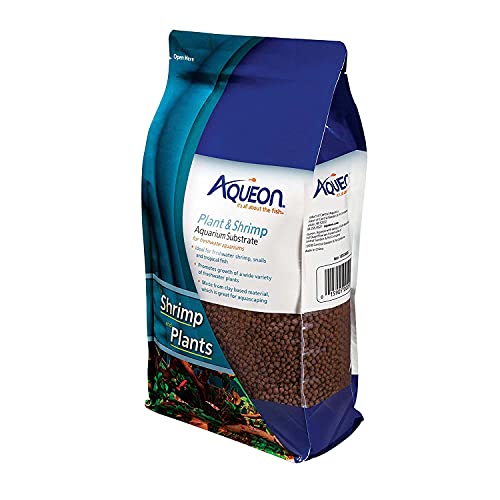
Aqueon Plant and Shrimp Substrate is offered in a convenient 5-pound bag and works well for a variety of freshwater plants, shrimp, snails, and tropical fish. This aqua soil supports plant growth across a broad spectrum of species, providing a stable base that helps feed roots and encourage root expansion. Its composition is geared toward encouraging nutrient uptake while maintaining a healthy substrate environment for shrimp and other bottom-dwellers.
Ideal for setups that emphasize plant variety and invertebrate life, this substrate supports diverse flora and fauna. It is a practical option for hobbyists seeking a versatile base that accommodates multiple species without requiring extensive soil conditioning.
Fluval 12693 Plant And Shrimp Stratum
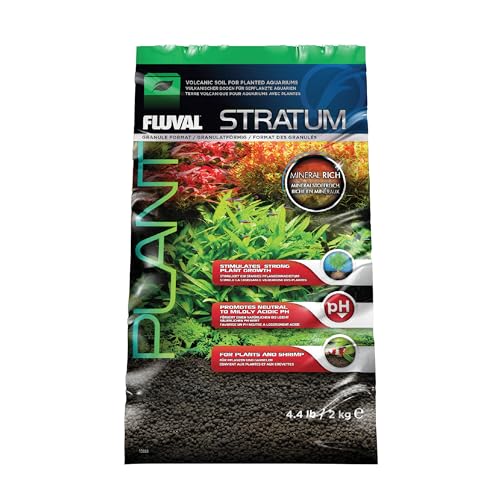
This Fluval Stratum variant emphasizes rapid and beneficial bacterial colonization thanks to its highly porous structure, creating a healthy aquatic environment for inhabitants. It sustains a neutral to slightly acidic pH range, supporting the growth of a wide array of aquatic plant species, tropical fish, and shrimp. Additionally, it offers shelter for newborn shrimp, protecting them from predators until they reach a survivable size in the main tank.
The substrate aids in establishing a balanced nitrogen cycle quickly, reducing ammonia spikes as the tank cycles. It’s well-suited for new tanks or for tanks that regularly house young shrimp and densely planted layouts where early shelter is beneficial.
Fluval 12696 Natural Mineral-Rich Bio Stratum

This natural mineral-rich volcanic soil bio stratum supports robust plant growth and vibrant coloration. The substrate is infused with dormant nitrifying organisms that activate on contact with water, jump-starting beneficial bacteria. It helps stabilize new aquarium water by accelerating the nitrogen cycle, enabling a smoother transition from setup to a healthy community. The mineral content encourages healthy root systems and sustained plant development.
For aquariums aiming for a colorful, plant-dense look, this substrate provides both nutritional support for roots and a quick stabilization of water conditions, reducing the risk of ammonia build-up in newly established tanks.
Aqua Natural Galaxy Sand Bio-Substrate

Galaxy Sand is a bio-substrate seeded with start-up nitrifying bacteria, designed to cycle an aquarium quickly by introducing beneficial microbes at setup. This sand provides a stable bed for rooted plants and invertebrates alike, with a neutral aesthetic that complements a wide range of planted tank designs. The bio-active bacteria help establish the nitrogen cycle early, supporting a healthy microbial community and reducing cycling time.
Thanks to its seeded bacteria, Galaxy Sand offers a practical option for hobbyists seeking faster tank readiness, while still delivering a reliable substrate base for plant roots and shrimp alike.
Aqua Natural Delta Sand Bio-Substrate

Delta Sand is seeded with bio-active nitrifying bacteria tailored to ammonia targets. It can be used in a 1:4 ratio with matching Aqua Natural Delta Sand or as a primary substrate, depending on tank goals. Like other bio-substrates, it supports instant cycling by introducing bacteria that begin processing waste upon contact with water, helping establish a stable environment faster for plants and invertebrates.
It pairs well with other Aqua Natural products to tailor substrate depth and nutrient delivery for varied plant species and shrimp populations, offering flexible setup options for diverse aquascapes.
Aqua Natural Sugar White Sand

Sugar White Sand is triple washed and kiln dried, marketed as a clean, toxin-free natural sand suitable for aquariums, vivariums, and terrariums. Its fine-to-medium grain size minimizes cloudiness and is less prone to blowing around in tanks with vigorous inflows. Sourced under licensed, sustainable practices, it provides a bright backdrop that highlights plant greens and colorful fish.
While not a soil-based substrate, its clean composition makes it a dependable choice for non-rooted plants and for topping other nutrient-rich substrates in layered substrate arrangements.
Buying Guide: Key Purchase Considerations
- Plant and shrimp compatibility: Look for grain size, porosity, and nutrient content that support root growth and invertebrate health. Dense plantings typically benefit from mineral-rich or soil-based substrates, while bare-bottom styles can use cleaner sands.
- pH and buffering: Some substrates maintain neutral-to-slightly acidic conditions, ideal for many tropical plants and shrimp. If your water is hard or alkaline, consider substrates designed to neutralize pH or to stabilize it without drastic swings.
- Nitrifying bacteria: Bio-substrates seeded with nitrifying bacteria can speed up cycling, reducing ammonia spikes in new tanks. This is especially helpful for shrimp and delicate plant setups.
- Maintenance and cleaning: Ceramics and porous soils retain nutrients but can require careful rinsing before first use. Fine sands are less likely to trap debris but may require periodic substrate vacuuming.
- Tank size and planting plan: For larger tanks, consider multi-layer substrate strategies (nutrient-rich base with top-dressing for aesthetics). For shrimp-focused tanks, choose substrates offering shelter and safe zones for newborns.
- Aquascape goals: If color and contrast with plants matter, mineral-rich soils that promote vibrant plant coloration may be preferable, while purely decorative sands suit minimalist setups.
In practice, many hobbyists blend substrates or combine base soils with nutrient-rich top layers to tailor nutrient delivery, root growth, and aesthetics. When selecting a substrate, align choices with your plant species, invertebrate inhabitants, and long-term maintenance plan to maximize aquarium health and visual appeal.