Kittens with diarrhea or sensitive stomachs need nutrition that supports digestion without sacrificing growth. The following selections prioritize easy-to-digest ingredients, gentle fiber blends, and high-quality protein to help maintain energy and development. Each option below is chosen for relevance to digestive comfort, appetite appeal, and pet owner clarity. Always consult a veterinarian if diarrhea persists or worsens.
| Product | Brand | Format | |
|---|---|---|---|
| Hill’s Science Diet Sensitive Stomach & Skin Kitten Dry | Hill’s Science Diet | Dry | Highly digestible ingredients with prebiotic fiber and omega-6 for coat health |
| Purina Pro Plan Sensitive Skin and Stomach Kitten Food Salmon and Rice | Purina Pro Plan | Dry | Rice and oatmeal-based digestion support with real salmon |
| Hill’s Science Diet Kitten Premium Nutrition Ocean Fish & Brown Rice | Hill’s Science Diet | Dry | DHA for brain development and balanced minerals for growing kittens |
| Royal Canin Feline Health Nutrition Dry Kitten Food | Royal Canin | Dry | Digestive support with highly digestible proteins and prebiotics |
| Blue Buffalo Wilderness Kitten Food Wet Paté Variety Pack | Blue Buffalo | Wet (3-oz Cans) | High moisture content supports hydration; real meat protein |
Hill’s Science Diet Sensitive Stomach & Skin Kitten (Dry)

Hill’s Science Diet Sensitive Stomach & Skin for kittens emphasizes a precise balance of highly digestible ingredients designed for stomach comfort. Its formula includes prebiotic fiber to foster a healthy gut microbiome and omega-6 fatty acids with vitamin E to promote a healthy coat. The dry kibble shape is crafted to be gentle on small stomachs while delivering essential nutrients for growth. This option suits kittens experiencing digestive upset when transitioning to new foods or when digestibility is a concern. Daily feeding should align with age, weight, and veterinary guidance to ensure proper caloric intake during critical growth periods.
Blue Buffalo Baby BLUE Kitten Paté Variety Pack

This Blue Buffalo wet kitten food variety pack features high-protein paté recipes with real meat as a primary ingredient. While not specifically marketed for diarrhea, the wet format can be gentler on a sensitive stomach for some kittens by increasing moisture intake and easing digestion. The DHA-fortified formula supports cognitive development, and grain-free protein sources may aid pets with grain sensitivities. As with any new diet, introduce gradually and monitor stool consistency during the transition.
Hill’s Science Diet Kitten Premium Nutrition Ocean Fish & Brown Rice

This Hill’s Science Diet option offers DHA from fish oil, high-quality protein to support growing muscles, and balanced minerals for developing bones and teeth. The blend aims to be easy on the stomach while providing necessary nutrients for kittens during rapid growth. For kittens with sensitive digestion, gradual transition and portion control are essential to observe how the new food affects stool pattern and energy levels. This formula emphasizes digestibility and overall health in a single dry kibble formulation.
Royal Canin Feline Health Nutrition Dry Kitten Food

Royal Canin Feline Health Nutrition Kitten Dry Food is tailored for kittens 4 months to 1 year old, focusing on immune support through antioxidants and vitamins. Its digestive support comes from a blend of highly digestible proteins and prebiotics, designed to help balance the gut microbiome as kittens grow. This option suits households seeking a veterinarian-backed approach to digestive wellness that also supports long-term immune health. Use a gradual transition plan to minimize upset during routine diet changes.
Purina Pro Plan Sensitive Skin and Stomach Kitten Food Salmon & Rice
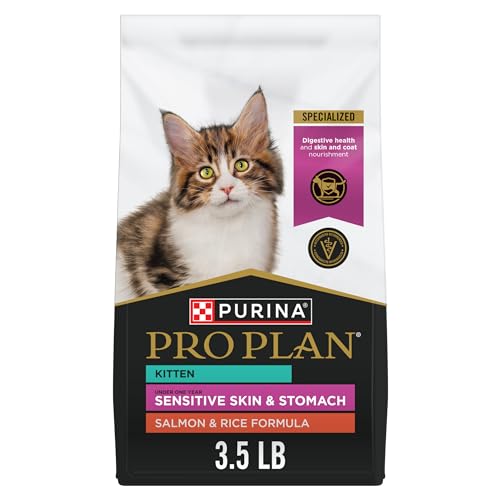
Purina Pro Plan Sensitive Skin and Stomach Kitten Food features a salmon and rice formula designed for easy digestion and gentle on the digestive system. The product emphasizes a high protein level with real salmon as the first ingredient, along with natural prebiotic fiber to support intestinal health. This option can be appealing for kittens that show sensitivity to certain grains or common protein sources, offering a balanced approach to growth, coat health, and gut comfort. Transition gradually to assess stool on this diet.
Hill’s Science Diet Sensitive Stomach & Skin (Wet Can)

This wet variant from Hill’s Science Diet provides the same sensitive-stomach formulation in a soft, palatable can. The inclusion of prebiotic fiber supports gut bacteria, while omega-6 fatty acids and vitamin E promote coat health. Wet food can improve hydration and be easier to digest for some kittens facing digestive upset. When introducing canned food, blend with dry meals initially to ease the transition for picky or sensitive eaters.
Buying Guide: Key Purchase Considerations
Choosing the right kitten food for diarrhea or a sensitive stomach requires weighing multiple factors. Here are essential considerations:
-
<liDigestive considerations: Look for foods labeled as easily digestible or formulated for sensitive stomachs. Prebiotic fibers, highly digestible proteins, and gentle grains can support stool quality and gut microbiome balance.
<liAge and size: Ensure the formula is appropriate for kittens in your specific age range and weight. Some brands offer stage-specific options that align with growth spurts.
<liWet vs dry balance: Wet foods increase moisture intake and can aid hydration, which is beneficial for diarrhea. Dry foods offer convenience and cost efficiency; many owners use a combination approach.
<liProtein sources: Real meat proteins (e.g., salmon, chicken) are typically well-tolerated. Be mindful of potential sensitivities to specific proteins and consider rotation if advised by a vet.
<liFiber and prebiotics: Functional fibers (like FOS or beet pulp) plus prebiotics help support gut bacteria and stool formation. Avoid overly high fiber without veterinary guidance.
<liAllergies and sensitivities: Some kittens may react to grains or certain ingredients. Grain-free options exist, but consult a vet to avoid unnecessary dietary restrictions.
<liTransition strategy: Introduce any new food gradually over 7–14 days to minimize gastrointestinal upset. Start with a partial replacement, increasing gradually while monitoring stool and appetite.
<liVet guidance: If diarrhea persists beyond 24–48 hours, or if there are vomiting, weight loss, or lethargy, seek veterinary care promptly. Diarrhea can signal infections, parasites, or other health concerns requiring professional assessment.
When evaluating the options above, consider your kitten’s temperament, appetite, and any prior responses to food changes. A blended approach—combining wet and dry foods, while maintaining a consistent feeding schedule—often provides both hydration and balanced nutrition. Always verify that any chosen product aligns with your veterinarian’s recommendations for your kitten’s unique needs.