Choosing the right food for tortoises supports proper shell development, digestion, and overall vitality. This guide highlights top turtle diets available in the market and explains what to look for when feeding omnivorous, herbivorous, or mixed-diet tortoises. The selections below emphasize high fiber, appropriate starch levels, vitamins, and minerals to support eye health, skin, and shell growth. Use the Buying Guide to compare options and tailor choices to your tortoise’s species and life stage.
| Product | Brand | Notes |
|---|---|---|
| Mazuri Low Starch Tortoise Diet, 12 oz | Mazuri | Grass hay-based, high fiber, probiotics |
| Mazuri Tortoise Diet, 1.25 lb | Mazuri | Moderate protein, no artificial colors/flavors |
| Rep-Cal Adult Tortoise Food, 2 lbs | Rep-Cal | Complete, fortified with calcium and vitamin D3 |
| Zoo Med Natural Grassland Tortoise Food | Zoo Med | Grassland formula with added vitamins |
| Fluker’s Premium Tortoise Diet Small Pellet Food, 7 oz | Fluker’s | Vitamin C and B12, balanced for tortoises |
Note: The products listed here are commonly used for a range of tortoise species, including Sulcata, Leopard, Greek, Pancake, and other herbivorous or omnivorous varieties. Always verify species-specific dietary needs with a veterinarian or reptile specialist.
Mazuri Low Starch Tortoise Diet, 12 oz

Mazuri Low Starch Tortoise Diet is grass hay-based with a high fiber level and low starch. It includes vitamins A and E to support eye and skin health, plus live probiotics to aid gastrointestinal health. This formula targets tortoises requiring a high-fiber, low-starch profile, making it suitable for several terrestrial species.
Mazuri Tortoise Diet, 1.25 Pound Bag
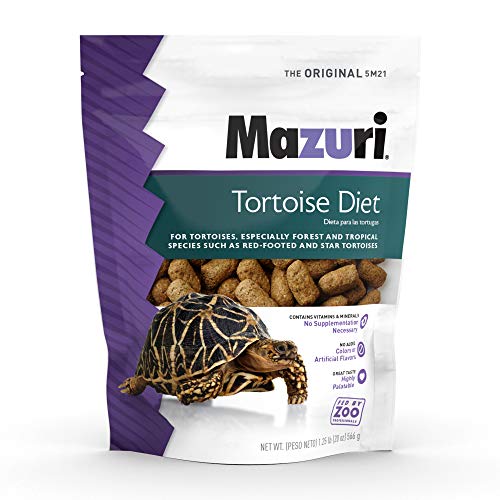
Designed for tropical and forest tortoises, this Mazuri formula provides moderate protein and energy to support omnivorous species. Notably, the diet contains no added colors or artificial flavors and includes antioxidants along with vitamins E and A to assist immune and eye health. The product aims to support thriving growth while avoiding excessive starch.
Rep-Cal Adult Tortoise Food, 2 lbs
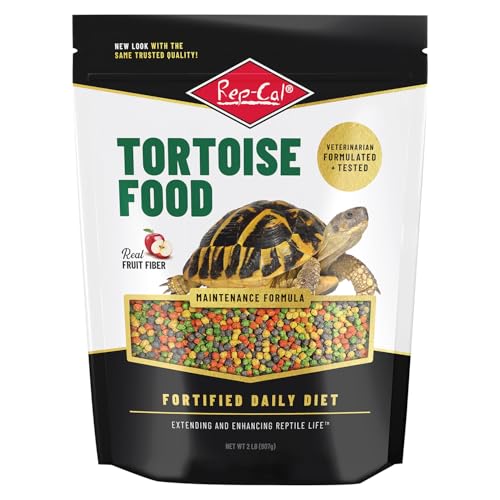
Rep-Cal Adult Tortoise Food offers complete and balanced nutrition with natural plant and fruit ingredients. It is fortified with calcium and vitamin D3 to support shell development and overall health. The formula is veterinarian-recommended and designed to provide essential nutrients without additional supplementation in many cases.
Zoo Med Natural Grassland Tortoise Food

This natural grassland formula is enriched with added vitamins and minerals and contains no artificial preservatives, colors, or flavors. It is formulated with the right fiber and protein levels to support proper shell development, digestion, and gastrointestinal health across several tortoise species, including Greek and Sulcata.
Fluker’s Premium Tortoise Diet Small Pellet Food

Fluker’s Premium Tortoise Diet uses a land tortoise formula that adds Vitamin C and B12. It is presented as a balanced diet appropriate for a variety of tortoises and box turtles, with a focus on providing a reliable mix of nutrients to support steady growth and long-term health.
Rep-Cal Tortoise Food 12.5 oz – Pack of 2
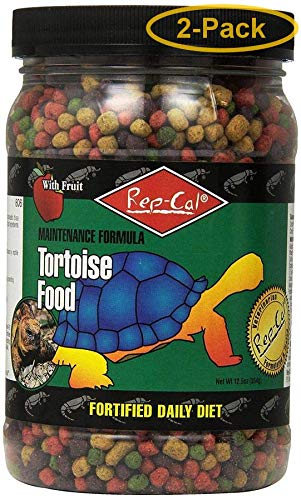
Rep-Cal Tortoise Food provides 100% complete daily nutrition fortified with calcium and vitamin D3. The formula relies on natural plant and fruit ingredients that tortoises enjoy and is tested by reptile veterinarians. The pack offers a cost-efficient option for households with multiple tortoises or longer feeding cycles.
Mazuri Juvenile Tortoise Food, 8 oz

Mazuri Juvenile Tortoise Food targets young tortoises with high fiber and low starch to support digestion and growth. It includes vitamins A and E for eye and skin health and uses smaller extruded particles to suit growing hatchlings or juveniles, helping them transition to adult diets.
Zoo Med Natural Grassland Tortoise Food (Alternative Image)

Additional details emphasize a natural formulation with proper fiber and protein levels to aid shell development and digestion. This option is often selected for its simplicity in meeting daily nutrition without artificial additives, making it suitable for steady, routine feeding.
Buying Guide: Key Considerations And Comparisons
- Species and life stage: Some formulas are tailored for Sulcata and other large tortoises, while others suit juveniles or omnivorous species. Match the diet to your tortoise’s species and stage of growth to avoid over- or under-nutrition.
- Fiber vs. starch balance: A higher-fiber, lower-starch diet supports digestion and shell health. Look for products emphasizing hay-based ingredients and minimal added starches.
- Vitamins and minerals: Calcium, vitamin D3, and vitamins A and E are common with tortoise foods to support shell strength, bone development, and immune health. Ensure the product includes these nutrients or plan supplementation as advised by a vet.
- Palatability and texture: Juveniles may require smaller pellet sizes; adults may prefer larger pellets or mixed greens. Some brands offer no artificial colors or flavors, which can be beneficial for sensitive animals.
- Probiotics and gut health: Products with live probiotics can aid digestion, particularly after dietary changes or stress.
- Feeding frequency and quantity: Follow brand guidance or veterinary recommendations. Overfeeding can lead to obesity and shell problems, while underfeeding may stunt growth.
- Allergen and additive considerations: Avoid products with artificial preservatives, colors, or flavors if your tortoise shows sensitivities.
- Cost and packaging: Pack size and long-term storage comfort can influence ongoing feeding plans, especially for larger tortoise populations.
With tortoise diets, a varied approach often yields the best outcomes. Rotating between high-fiber, low-starch options, and occasional mixes of greens and vegetables (as appropriate for the species) can support balanced nutrition. Always monitor shell growth, weight, activity, and appetite. Regular veterinary checks help adjust dietary plans as needed.