Laminitis management hinges on diet that supports stable blood sugar, gut health, and weight control. The following feeds are highlighted for their low non-structural carbohydrate (NSC) options, senior-focused nutrition, and gastric health support. This guide compares five popular choices to help barn managers and horse owners select feeds that align with laminitic care goals while maintaining overall vitality.
Product Summary
| Product | Brand | Key Benefit |
|---|---|---|
| Tribune Maturity Textured | Kalmbach Feeds | No corn formula; highly digestible fiber; supports aging horses |
| Enrich Plus Senior | Purina | Gastric support tech; prebiotic and immune support; easy-to-soak |
| Senior Gold Premium | Triple Crown | High-fat, weight-supporting senior nutrition; includes seaweed calcium |
| Mini Horse & Pony Feed | Purina | Beet pulp for slow energy; designed for multiple ages; lower starch |
| Probios Digestive Support Granules | Probios | Live probiotics; supports normal digestive function |
Kalmbach Tribute Maturity Textured for Horse
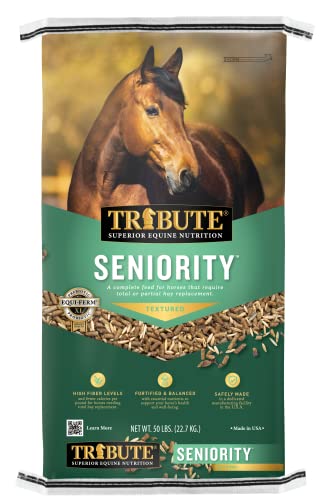
Kalmbach Tribute Maturity Textured for Horse is formulated to support aging horses with a lower NSC profile and highly digestible fiber. The feed emphasizes a balanced amino acid and mineral profile to help maintain muscle tone and overall body condition without relying on corn-based energy sources. Its complete feed design can simplify feeding programs for seniors, reducing the risk of overfeeding while preserving gut comfort.
Purina Enrich Plus Senior Ration Balancing

Purina Enrich Plus Senior Ration Balancing takes advantage of ACTIVAGE prebiotic technology to support immune function and metabolism, with OUTLAST gastric support for gastric health. Its EASY-SOAK PELLET TECHNOLOGY makes it convenient to prepare a mash for seniors who prefer softer textures or have dental concerns. This feed aims to balance senior nutritional needs while minimizing digestive upsets often associated with aging horses.
Triple Crown Senior Gold Premium Horse Feed

Triple Crown Senior Gold Premium Horse Feed focuses on senior vitality, with a high-fat blend from soy oil, rice bran, and flaxseed to support weight maintenance and energy. The inclusion of seaweed-derived calcium helps with gastric buffering, potentially reducing gastric ulcers in mature horses. This formulation is designed for active seniors needing steady energy without rapid spikes in blood sugar.
Purina Mini Horse & Pony Feed
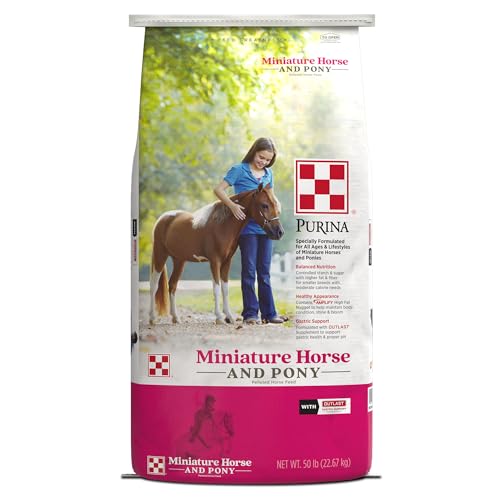
Purina Mini Horse & Pony Feed is designed for younger and smaller horses as well as those needing a controlled energy source. It includes beet pulp for fermentable fiber, which can support steady energy release and gut health. The formulation integrates Outlast technology for gastric health and can be a practical option for mixed-age groups, offering flexibility in smaller stables while aiming to reduce digestive stress in sensitive horses.
VETS PLUS Probios Feed Granule For Horses

Probios Feed Granule provides a source of live, viable microorganisms to help maintain normal digestive function. This probiotic approach can support gut health in horses prone to digestive upset, which can be a concern in laminitic horses when diets are adjusted. It can be blended with regular feed rations or top-dressed, offering flexibility for daily management without replacing complete feed strategies.
Buying Guide: Key Purchase Considerations
- Low NSC profile: For laminitic horses, prioritize feeds labeled with low NSC or designed for weight management to help stabilize insulin responses.
- Senior nutrition: Look for added fat sources, balanced amino acids, and digestive health minerals to support aging horses without sacrificing energy or muscle tone.
- Gastric health support: Technologies like OUTLAST and calcium-based buffers can help protect the stomach lining, especially in horses prone to ulcers.
- Digestive health options: Probiotics or prebiotics, such as Probios, can complement a balanced diet by promoting a healthy gut microbiome, particularly during diet transitions.
- Texture and feed form: Consider ease of chewing and mash readiness for seniors with dental issues; easy-to-soak pellets can be advantageous.
- Beet pulp and fermentable fiber: Feeds with beet pulp or fermentable fiber provide slow-release energy, helping prevent spikes in blood sugar while supporting gut health.
- Individual assessment: Every horse is different. Consult a veterinarian or equine nutritionist to tailor a diet that accounts for body condition, activity level, and specific laminitis risk factors.
- Feeding schedule and consistency: Maintain consistent feeding times and portion sizes to reduce stress and metabolic fluctuations that can trigger laminitis signs.
- Transition strategies: When introducing a new feed, implement gradual transitions (7–14 days) to minimize digestive upset and monitor for signs of discomfort or changes in appetite.
- Overall hay management: Combine carefully selected concentrates with appropriate forage quality and quantity to keep rumen health and insulin balance in check.
In summary, selecting a feed for laminitic horses involves balancing energy needs, digestive comfort, and gastric protection. The five options above provide a range of approaches—from low-NSC and fiber-rich formulas to senior blends with gastric health components and probiotics. Always align feeding choices with professional veterinary guidance to support long-term health and recovery.